Why it's important to have a Plan B
Why it's important to have a Plan B - unsolicited advice from a 12th pass - UPSC fail. ♠
The Union Public Service Commission (UPSC) Civil Service Exam (CSE) in India is one of the toughest in the World. Conducted annually, CSE is the gateway to India's civil services, including the Indian Administrative Service (IAS), Indian Police Service (IPS), and Indian Foreign Service (IFS). 🏆
Each year, nearly a million aspirants attempt the exam, but only about 0.1% of them manage to secure a position in the coveted All India or Central services, making the CSE one of the toughest and most prestigious exams globally. 🌍
Quick breakdown:
Total Aspirants: 1,000,000
Clear Prelims: ~1% (10,000)
Clear Mains: ~0.2% (2,000-2,500)
Clear Interview & Final Selection: ~0.1% (800-1,000)
The recent Bollywood movie "12th Fail", beautifully captures the arduous journey of aspirants, through the depiction of Manoj Kumar's character, a young aspirant from a modest background, who faces multiple setbacks in his pursuit of the UPSC dream. Despite these challenges, he remains undeterred, showcasing the perseverance required to crack the exam. The film's narrative resonates deeply with me, but it's also important to point out that the nation's brightest minds are battling it out to get those coveted spots, and as an aspirant you could very well be in the 0.1% that make it or the 99.9% that doesn't, highlighting the necessity of adapting and finding alternative paths to success.
As a former aspirant, I can testify that it's imperative to have a Plan B. I was passionate about civil services and gave it my all for about two years. However, I knew that success in this exam was close to a gamble due to its highly competitive nature. Like many others, I had to come to terms with the reality that the odds are daunting.
99.9% of aspirants who do not make it often feel lost, disheartened and pressured. Having been through it, I can't emphasize enough how important it is to channel this talent; the rigorous preparation equips them with a much broader knowledge base and a more comprehensive/rounded outlook compared to an average job seeker. This is why corporates should consider hiring such candidates. It's a win-win proposition.
I had to pursue a master's degree to pivot to a new career path and break free from the rut. This decision allowed me to leverage the skills and knowledge I gained during my UPSC preparation in a new, fulfilling direction. My mentor, Dr. Christy Fernandez IAS (former Secretary to the President of India) constantly emphasized the importance of moving on. 💼
To all the risk-takers out there: kudos for being brave and best of luck. You’ll eventually figure things out. The journey of preparing for the UPSC exam is enriching in itself, providing a solid foundation for success. Embrace the process, stay determined, and keep your options open. 🌟
(Opinions my own)
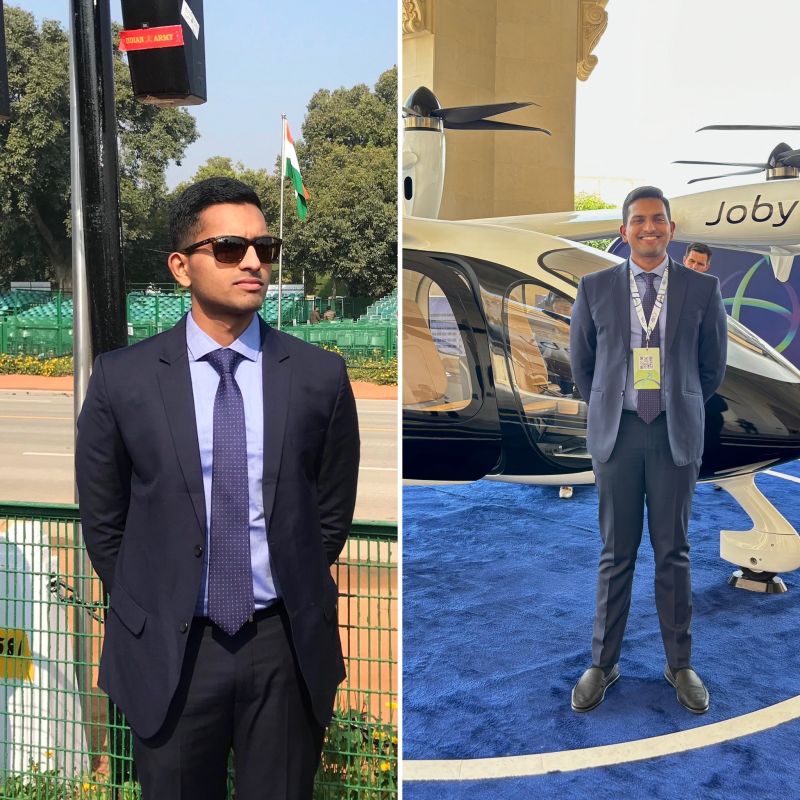
Delhi (preparation days) ⬅ Riyadh 2024 ➡
First published on LinkedIn, see the original.All writing →