KKIA’s Legacy and the Dawn of a New Riyadh Hub
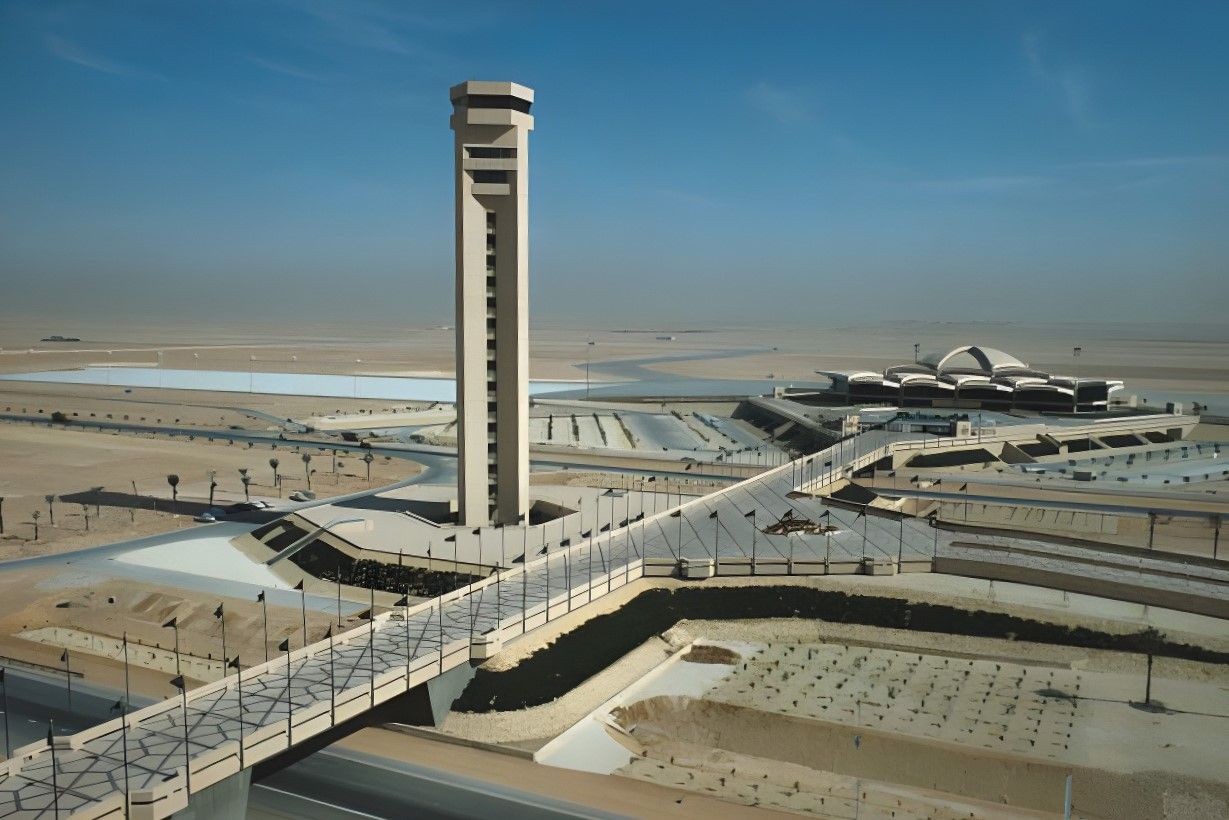
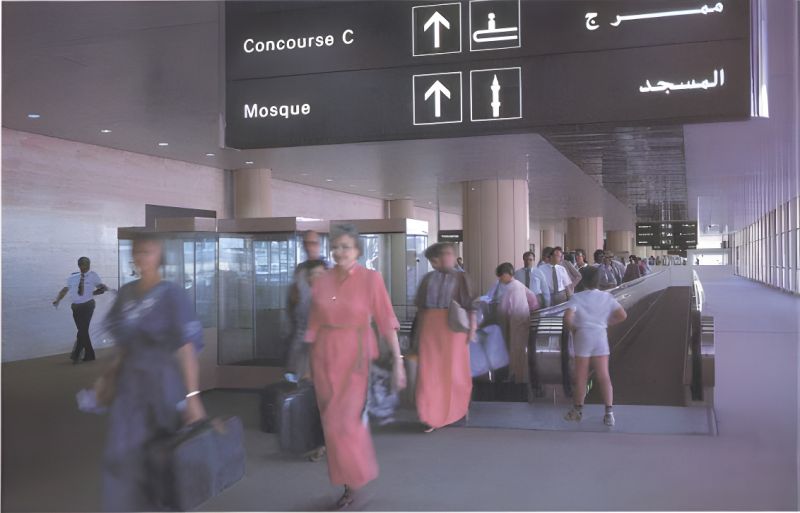
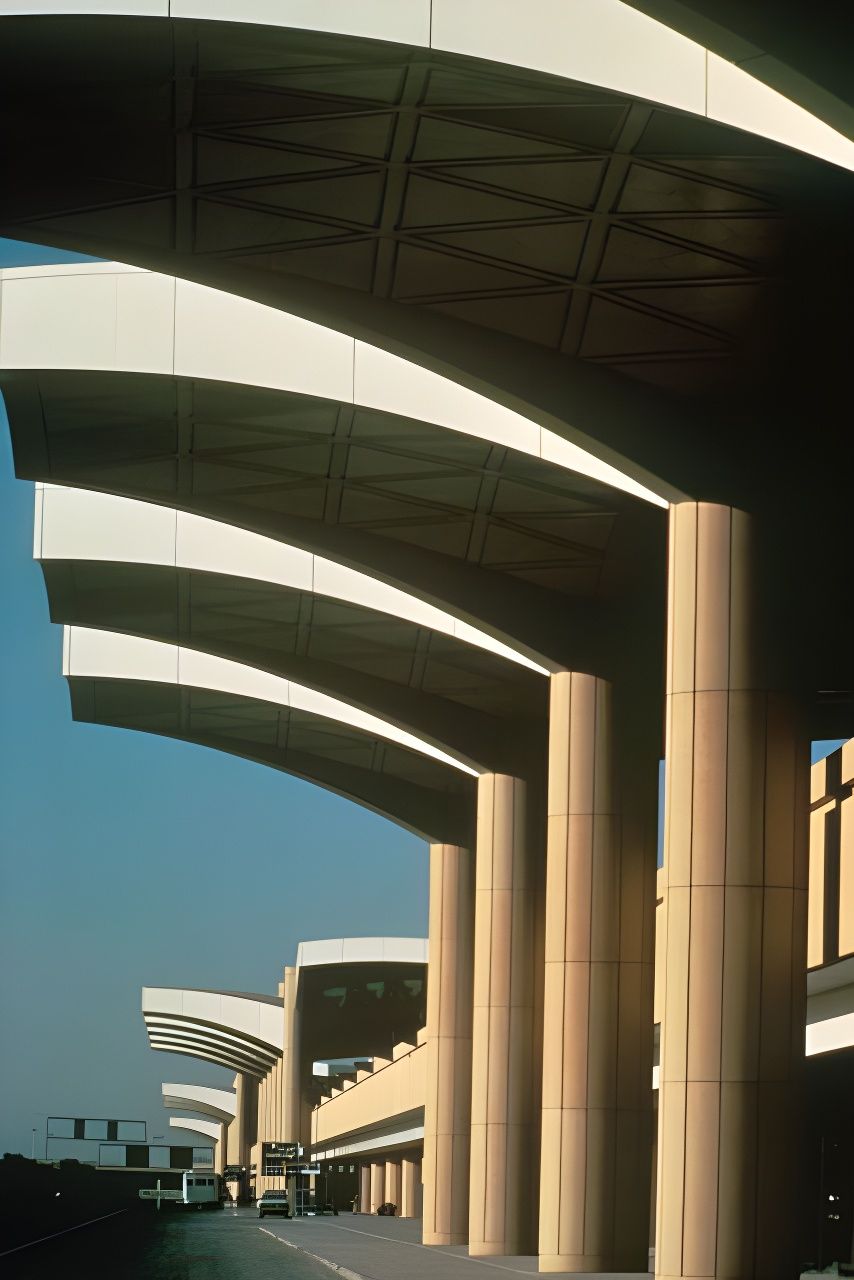
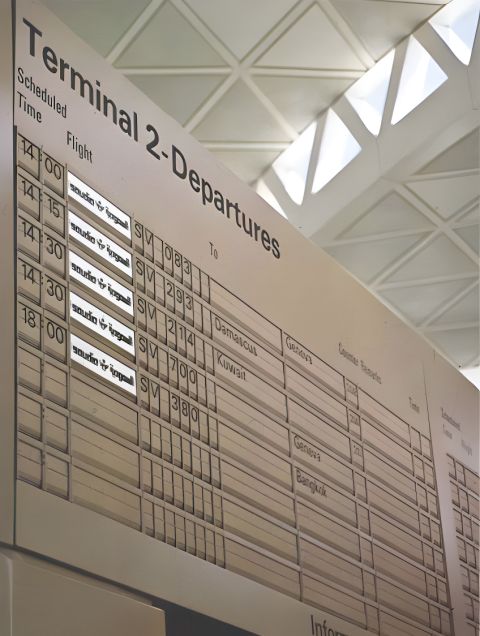
KKIA’s Legacy and the Dawn of a New Riyadh Hub - Upscaled images of Riyadh’s King Khalid International Airport from 1983.
KKIA was a symbol of progress when it was built. A 1984 article in Aramco World described it as “a space-age oasis for jet-age caravans”. Inaugurated in 1983 and designed by HOK, KKIA was constructed as part of the International Airports Project (IAP) - an initiative by the then Ministry of Defense and Aviation aimed at modernizing and expanding the Kingdom’s aviation infrastructure.
At the time of its construction, KKIA was among the largest airports in the world by land area, spanning 225 square KMs - more than five times the size of Vatican City and larger than countries like San Marino and Liechtenstein. This vast scale was not just about size but about foresight - designed to accommodate the Kingdom’s growing air traffic. KKIA replaced Riyadh’s congested old airport (now being repurposed as King Salman Park, the world’s largest urban park).
A design that has aged gracefully
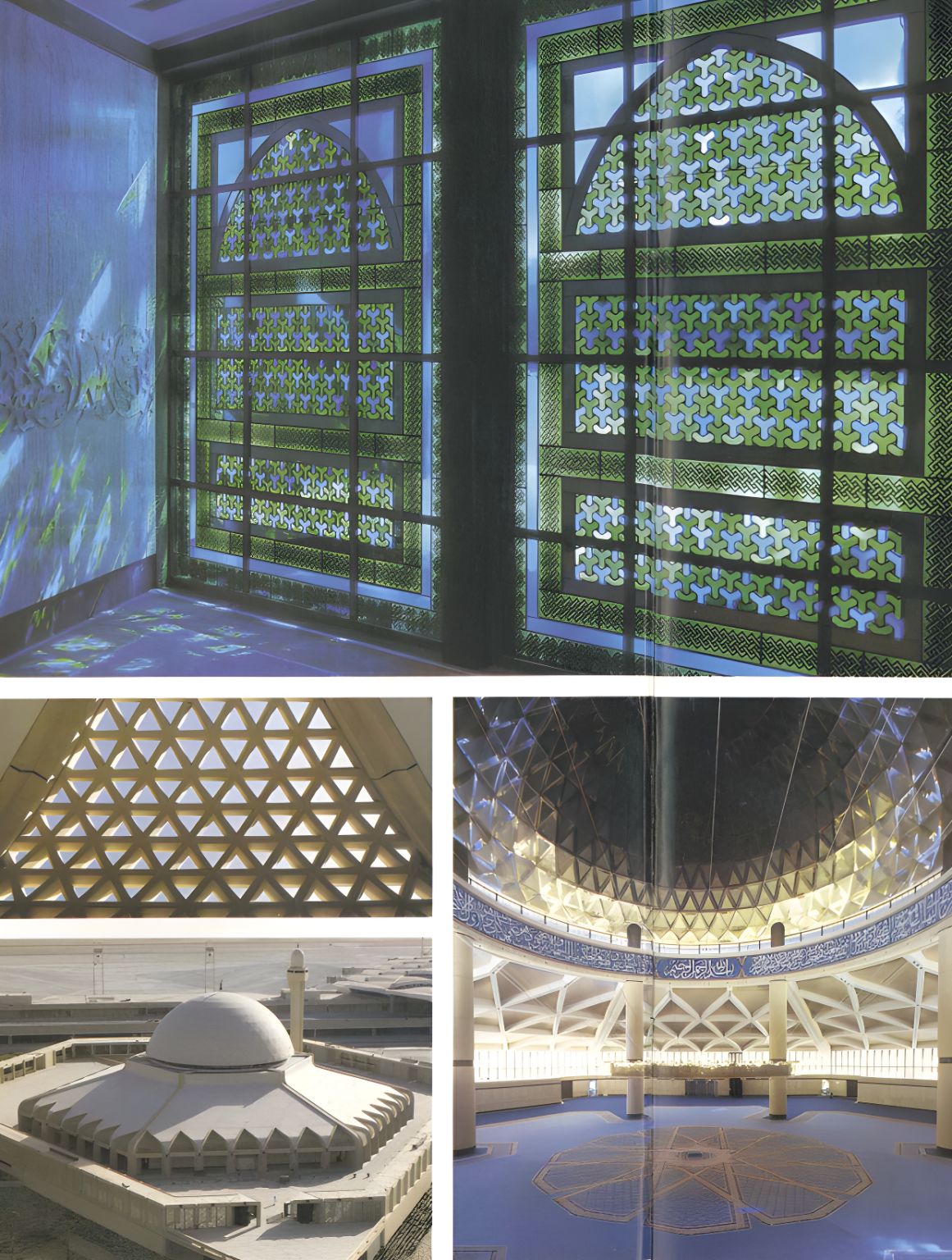
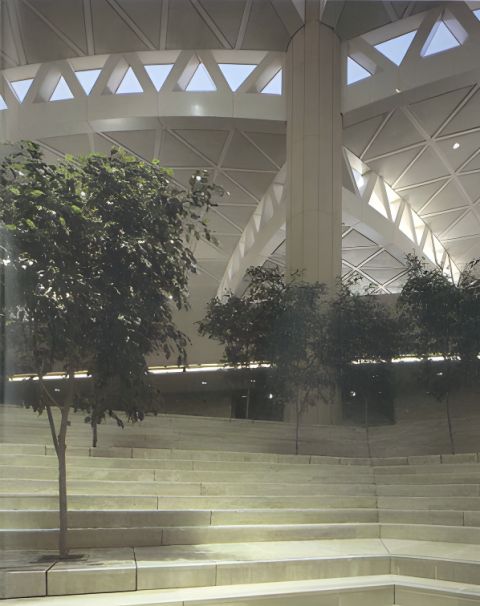
The tent-like terminal structures were inspired by traditional Bedouin tents. The geometric patterns - triangles and hexagons - are deeply rooted in Islamic design principles, creating a functional and culturally resonant structure. Beyond its form, KKIA was designed to blend seamlessly with the desert landscape. The beige and off-white colour scheme of the terminals mirrors the hues of the Arabian desert, ensuring a harmonious transition between nature and infrastructure. Even the materials were sourced globally - travertine marble from Italy, etched with Kufic script in England, wooden finishes crafted in Switzerland, Syria, and Jeddah, and an immense hexagonal carpet woven in Hong Kong to complement the airport’s geometric aesthetic.
The next chapter
While KKIA’s legacy endures, Saudi Arabia’s grand vision for aviation demands an even grander airport for the next phase of growth. As KKIA gives way to King Salman International Airport - the new hub designed to transform Riyadh into one of the world’s largest aviation gateways - its legacy will continue to inspire.
As Tony Douglas says, the brand is Riyadh, the brand is Riyadh, the brand is Riyadh!
Trivia: At the heart of KKIA’s striking design was Gyo Obata, one of the founding partners of HOK (Hellmuth, Obata & Kassabaum). Arabian Bechtel managed structural, mechanical, and electrical design, project management and construction.
Image Credits: Aga Khan Trust for Culture; Burnett H. Moody; Aramco World magazine.
(This write-up is for educational/informational purposes only; happy to amend inaccuracies, if any)
First published on LinkedIn, see the original.All writing →